
Functionality vs. Artistry:
Divergent Perspectives
at design/delight
INTERVIEW
April 07, 2026
At design/delight, the dialogue between artistry and functionality is far from settled. Exhibitors from last year—Uppercut (Scott Lippens), Ludovico, and Marie Piselli—each offered distinct, sometimes contrasting, answers to the same question: how should design balance art and function?
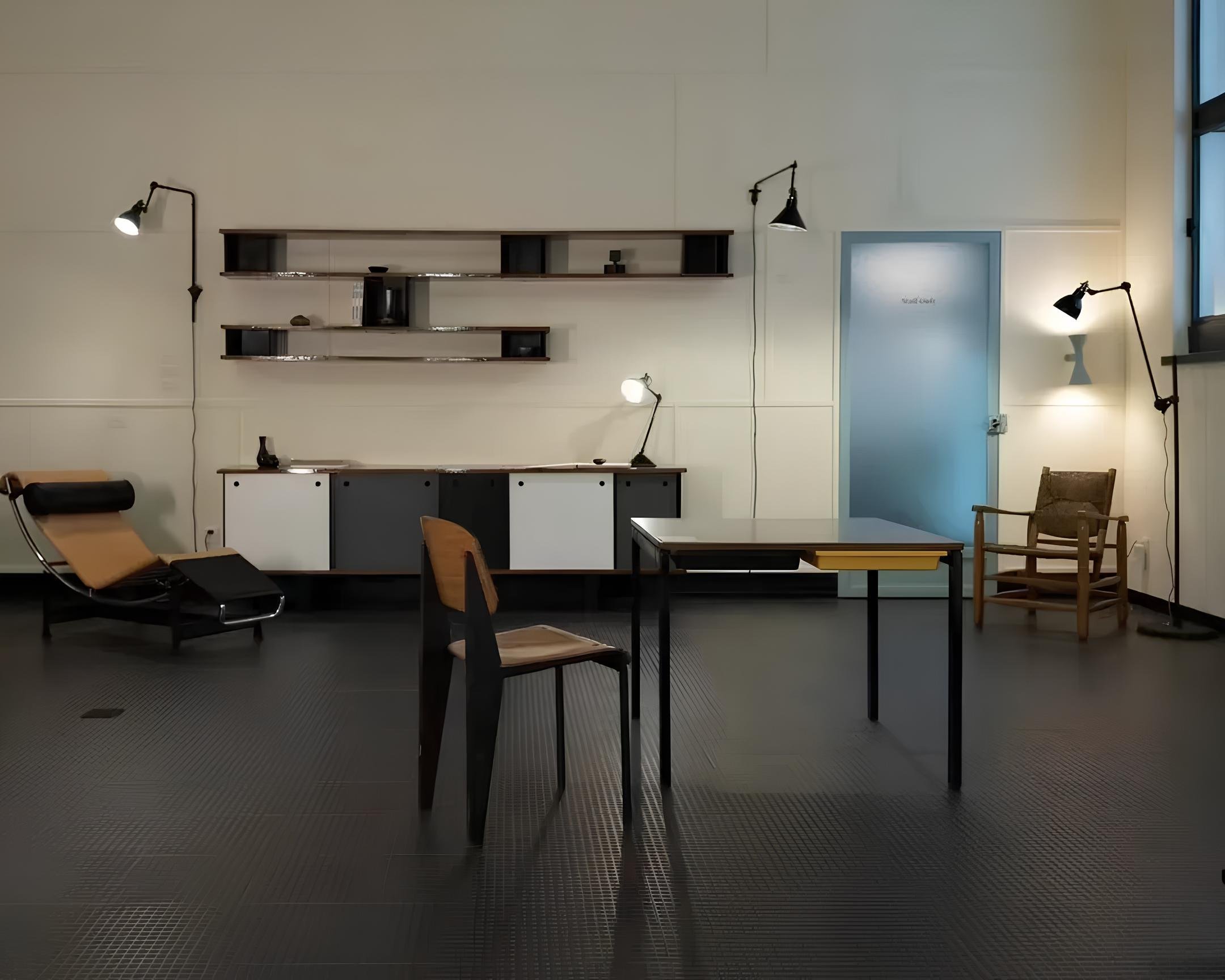
Uppercut – Scott Lippens:
Living With Design
For Scott Lippens, founder of the Antwerp-based gallery Uppercut, functionality is foundational. “Some might argue that form comes before function, and we can agree to some extent,” he says. “But we always ask our designers to ensure the works remain fully functional.”
Uppercut’s philosophy is rooted in use and longevity: “We want our clients to live with the pieces—to enjoy using them as much as looking at them. Over time, as chairs acquire patina, wear, and traces of life, they develop their own narratives. That living quality is central to our vision.”
After shifting from vintage to contemporary design in 2023, Lippens emphasizes the thrill of creating alongside emerging designers. “Perhaps in 50 years, one of these works will be celebrated, and we can proudly say we supported the designer at the beginning of their career.”
Belgian galleries Axel Vervoordt and Maniera remain touchstones for him—their immersive presentations showed him that being a gallerist is not only about selling but about curating meaningful contexts and experiences.
Ludovico:
The Undesignable
Italian designer Ludovico sees artistry and functionality as inseparable. “I don’t create a shape and then try to give it a function. Instead, I work with the inherent forms of functional elements to design my pieces.”
He is particularly drawn to materials and effects beyond his control. In the MADRE series, shells are integrated not as decorative details but as active components, producing unique colors and reflections by virtue of their own natural properties. “These elements are ‘undesignable,’ and that fascinates me.”
His inspirations are equally expansive: Arte Povera artists such as Giuseppe Penone and Alighiero Boetti, architects Álvaro Siza, Sigurd Lewerentz, Peter Zumthor, South American modernists, and design masters Achille Castiglioni, Ettore Sottsass, Carlo Scarpa, and Ingo Maurer. Curiosity, craftsmanship, and truth in materials guide his practice.
Marie Piselli:
Art at the Center
For French artist Marie Piselli, design is subordinate to art. “I consider design to be at the service of art.”
Piselli begins with sculpture and allows design to reframe it in daily life. Her 11-meter-long chisel sculpture became a 2.5-meter bench adapted to Parisian apartments, an object that invites the public to sit and reflect. “Its function is to deconstruct preconceived ideas and open the possibility of a joyful, hopeful future.”
Looking ahead, she envisions her work OUI À LA VIE as a five-meter-diameter bench in a public square, tilted toward the sky and in dialogue with surrounding architecture. It would invite both contemplation and gathering—a collective space for hope and renewal.
Her inspirations—Humberto and Fernando Campana, Ronan and Erwan Bouroullec—demonstrate for her how design can embody philosophy, culture, and openness.